
GARAGE DOOR
REPAIR?
Connected to the nation's premier network of certified garage door technicians. Rapid On-Site Dispatch 24/7/365.
Broken Spring or Opener?
Garage door mechanical failures demand certified expertise. Click below to immediately connect with our local same-day service team.
Tap to Call Central Dispatch Hotline
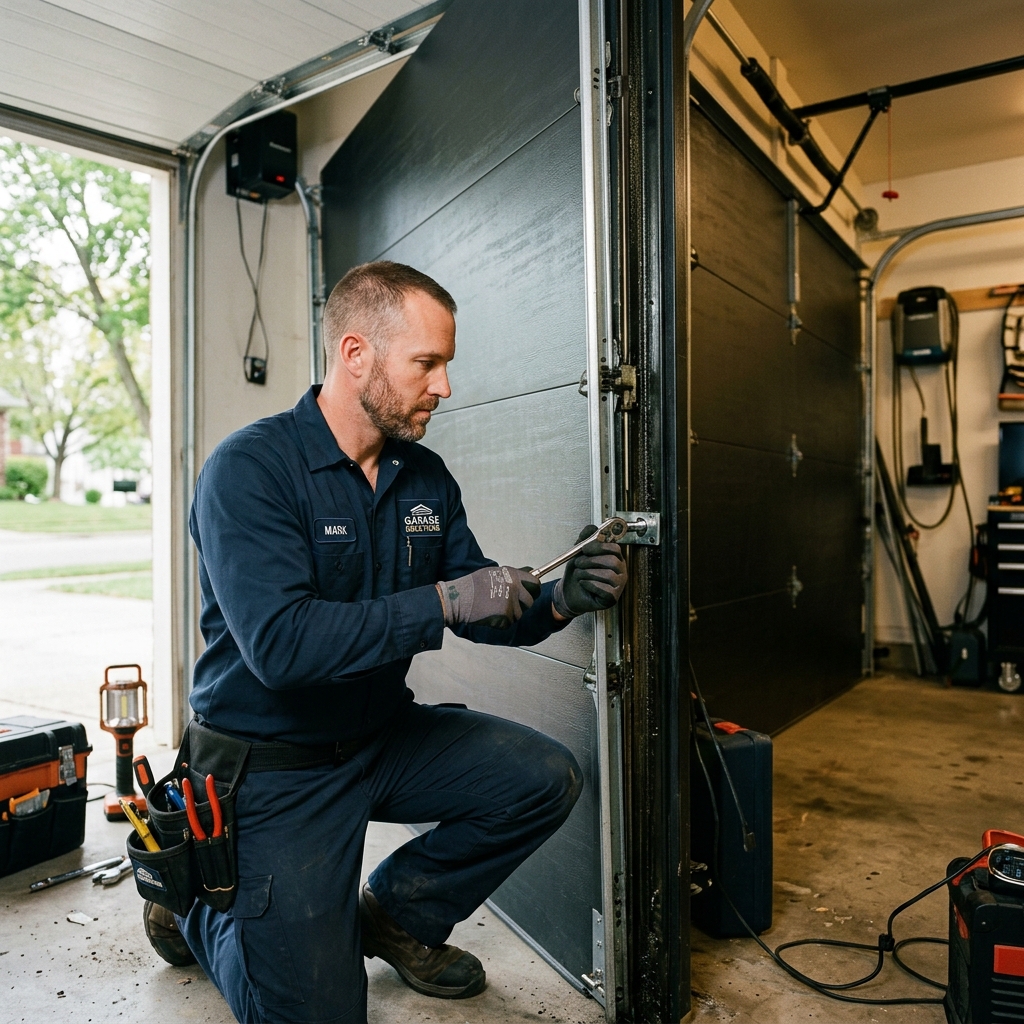
Rapid Mechanical Repairs to Secure Your Home
A jammed or broken garage door isn't just an inconvenience—it's a critical vulnerability to your home's security and your family's safety. Whether your door is off-track, has bent tracks, or makes an alarming grinding noise, our nationwide dispatcher network is optimized to route a certified technician directly to your address today.
Dispatched repair vehicles are fully loaded with heavy-duty steel cables, replacement tracks, high-cycle steel rollers, and hinge hardware. Technicians perform a 25-point safety inspection on every call to balance the door, lubricate bearings, adjust travel limits, and guarantee seamless mechanical operation.
⚠️ Immediate Safety Guidelines:
- Stop Opener Operation: Operating a jammed or misaligned door bends the track and destroys the electric opener gear kit.
- Clear the Opening: Do not walk or store vehicles beneath a partially suspended garage door. It can drop unexpectedly.
- Keep Cables Intact: Steel cables under high tension guide the door. Never attempt to loosen or adjust bottom bracket pins yourself.
Our Mechanical Tuning Checklist
Dispatched crews apply rigorous standards to guarantee absolute safety and performance:
-
🛠️1. Track Re-alignment Squaring and securing bent or loose wall tracks to prevent the door from slipping out of place.
-
🌀2. Roller & Cable Swapping Replacing squeaking steel rollers with quiet nylon ball-bearing rollers and installing aircraft-grade steel cables.
-
⚙️3. Drum & Hinge Inspection Aligning cast aluminum cable drums and replacing cracked or bent center hinges to stabilize the door panels.
Repair Phases
-
Phase 1: Diagnostic Assessment
Inspecting balance, verifying spring tension cycles, and checking track level to pinpoint structural failures.
-
Phase 2: Part Replacement
Replacing broken rollers, hinges, worn tracks, or cables using heavy-duty, high-performance parts.
-
Phase 3: Force Tuning & Lubing
Adjusting the opener's safety reverse force, setting travel limits, and deeply lubricating all moving bearings and rollers.