
SPRING
REPLACEMENT
Connected to the nation's premier network of certified garage door technicians. Rapid On-Site Dispatch 24/7/365.
Broken Spring or Opener?
Garage door mechanical failures demand certified expertise. Click below to immediately connect with our local same-day service team.
Tap to Call Central Dispatch Hotline
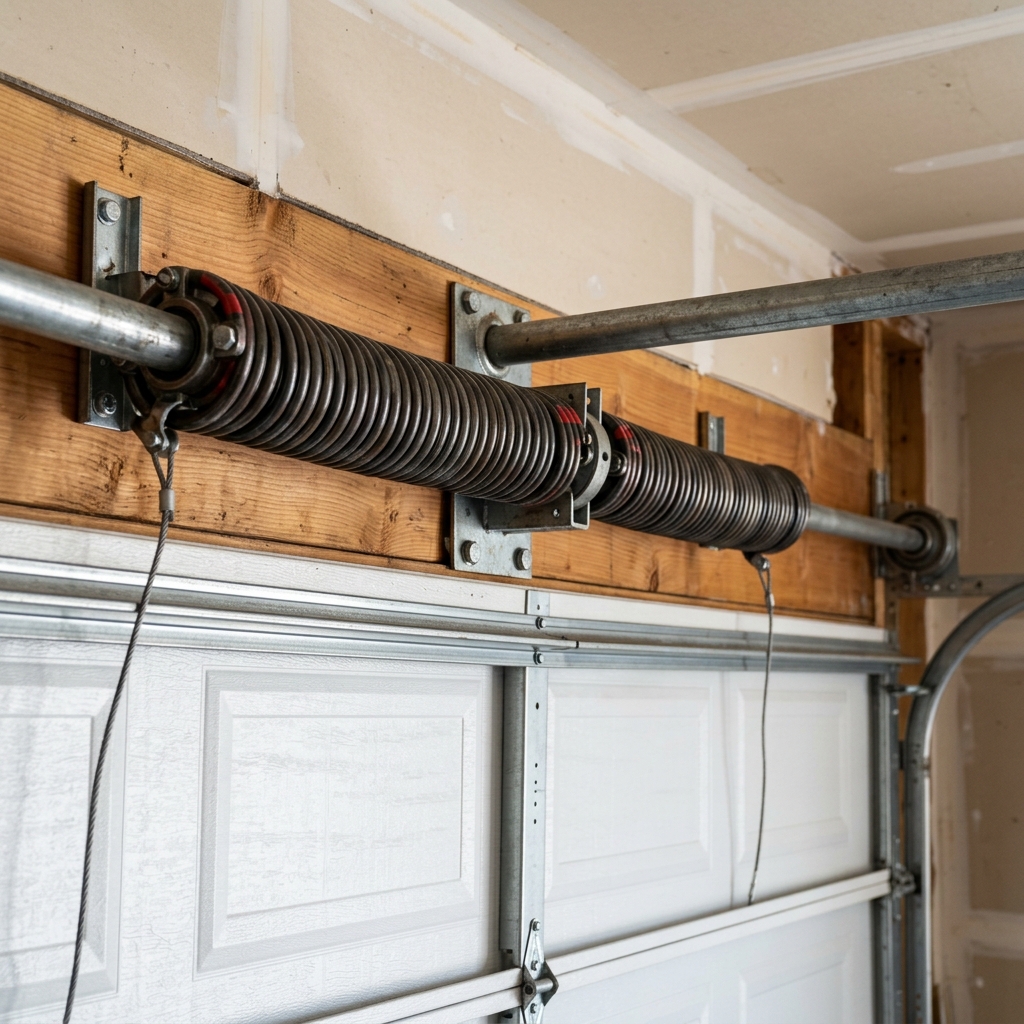
The Extreme Importance of Professional Spring Calibration
When a garage door spring snaps, you'll often hear a loud gunshot-like sound echoing from the garage. Because the spring is completely broken, the electric opener is left to lift the entire deadweight of the door (which can range from 150 to over 400 pounds). Attempting to operate the motor or lift the door manually with a broken spring can burn out the opener gear kit, warp the door tracks, or snap the cables, leading to catastrophic failure.
Garage door springs are under massive mechanical torque. Vetted, local technicians carry professional winding bars, heavy-duty vice grips, and high-performance replacement springs directly in their dispatch trucks to execute immediate, same-day torsion or extension spring replacements safely.
🚨 CRITICAL DANGER: DO NOT DIY
Torsion springs require specialized winding bars to adjust tension. Using screwdrivers, wrenches, or standard pliers is a frequent cause of severe accidents, facial fractures, and traumatic finger loss.
- Never Touch the Winding Cone: The winding cone holds extreme rotational force. Only wind or unwind with professional bars.
- Always Replace in Pairs: If one spring snaps, the other spring has experienced the exact same number of cycles and will typically fail within weeks.
- Keep Cables Intact: Steel cables under high tension guide the door. Never attempt to loosen bottom bracket pins.
Spring Quality & Design Ratings
Vetted technicians install premium high-cycle springs that outlast builder-grade parts:
-
🌀1. High-Cycle Torsion Springs Upgraded oil-tempered springs rated for 20,000 to 30,000 lift cycles, double the lifecycle of standard builder-grade springs.
-
🛡️2. Extension Springs with Safety Cables Installing safety containment cables inside extension springs to prevent the spring from flying across the garage if it breaks.
-
⚖️3. Exact Weight Balancing Using precision caliper measurements to match the replacement spring wire size exactly to the door's weight for flawless movement.
Replacement Process
-
Phase 1: Securing & Unwinding
Locking the door down with heavy-duty vice grips and carefully unwinding any remaining tension on the unbroken spring using winding bars.
-
Phase 2: Center Bearing & Shaft Service
Sliding the steel shaft out, inspecting the center support bracket, replacing worn bearings, and sliding the new springs onto the shaft.
-
Phase 3: Winding & Balance Check
Winding the springs to the precise number of turns required for the door's height, securing set-screws, and testing the manual door balance.